Forsythia

Forsythia suspensa
Forsythia

More Information

Benefits
  • Strong anti-inflammatory and immune-modulating properties
  • Antimicrobial (antibacterial + antiviral activity)
  • Antioxidant and free radical scavenging effects
  • Supports respiratory health (colds, fever, infections)
  • Traditionally used for detoxification and reducing heat/inflammation
  • Potential antiviral and immune response modulation activity
Plant Description and Features

Forsythia is a deciduous shrub in the Oleaceae (olive) family, widely known for its bright yellow spring flowers.

Growth: Woody shrub, typically 2–4 meters tall
Flowers: Bright yellow, bloom early in spring before leaves
Leaves: Opposite, serrated, medium green
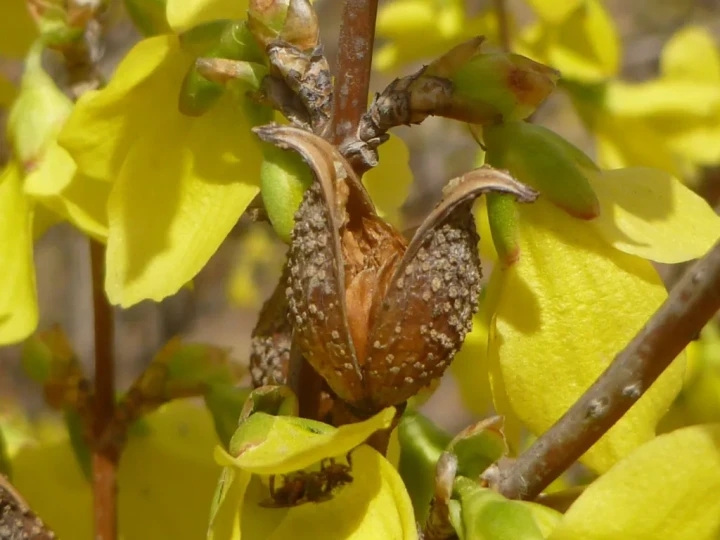
Fruit: Small, dry capsule that splits into two chambers
Habitat: Native to East Asia (especially China), widely cultivated ornamentally

The flowers appear in early spring, while the fruit develops later in the season and is the primary medicinal part in traditional systems. [medicinalf...ntrust.org]

Botanical Snapshot

Scientific Name: Forsythia suspensa
Family: Oleaceae
Common Names: Forsythia, Lian Qiao (fruit)
Plant Type: Deciduous flowering shrub
Native Range: East Asia (China)
Parts Used: Primarily fruit (Forsythiae fructus), also flowers and aerial parts

Key Phytochemicals

Forsythia contains multiple bioactive compound classes:

Phenylethanoid glycosides (e.g., forsythiaside A, B)
Lignans (e.g., phillyrin, arctiin)
Flavonoids
Triterpenoids and steroids
Polyphenols and antioxidants [pdf.benchchem.com], [onlinelibr....wiley.com]

Phenylethanoid glycosides and lignans are considered the primary active compounds, driving most of its pharmacological activity. [nature.com]

Evidence Supported Benefits
  1. Anti-inflammatory Activity

Compounds like forsythiaside A and lignans inhibit inflammatory pathways such as NF‑κB and reduce cytokines (IL‑1β, IL‑6, TNF‑α). [nature.com]
These mechanisms help reduce tissue inflammation and oxidative stress in both in vitro and in vivo models. [nature.com]

  1. Antimicrobial Effects

Lignans and phenylethanoid glycosides extracted from the fruit show antibacterial activity against pathogens such as E. coli.
👉 View antimicrobial study on Forsythia fruit [ncbi.nlm.nih.gov]

  1. Antioxidant Properties

Extracts of Forsythia suspensa fruit demonstrate strong free radical scavenging activity (DPPH, ABTS assays).
👉 View study on chemical composition and antioxidant activity [pmc.ncbi.nlm.nih.gov]

These antioxidant effects are linked to high phenolic content and polyphenolic compounds. [pmc.ncbi.nlm.nih.gov]

  1. Antiviral and Immune Support

Forsythia fruit extracts have shown inhibitory effects on viral-related pathways, including interference with ACE2-related mechanisms in experimental models.
👉 View study on antiviral-related activity [pmc.ncbi.nlm.nih.gov]

Traditionally used for treating infections and febrile illnesses. [journal.hep.com.cn]

  1. Traditional & Clinical Use for Infection and Inflammation

Widely used in traditional medicine to treat:

Fever, colds, and respiratory infections
Swelling, abscesses, and skin infections

Modern pharmacology confirms anti-inflammatory, antibacterial, antiviral, and antioxidant effects. [journal.hep.com.cn]

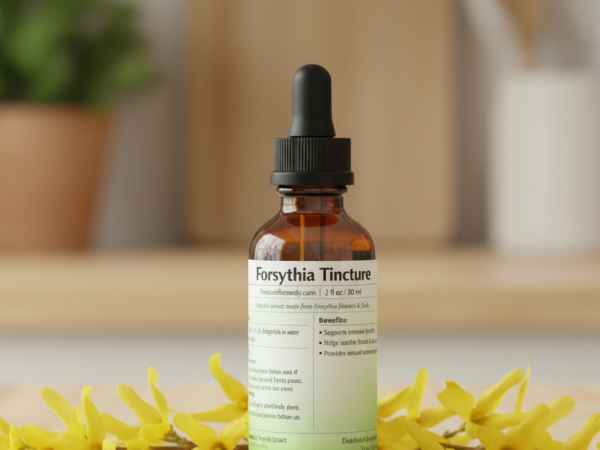
Products containing Forsythia